


Unlocking Young Minds: Educational Benefits of Single-Player SmartGames (Ages 3–14)
At LedKiam, we know parents want more than just “something to keep the kids busy.” You want smart, meaningful play for your child—whether they’re 3 or 14.
Single-player SmartGames are a powerful way to turn solo playtime into brain-building time. These puzzles and logic games help children (ages 3–14) develop real skills that support school, hobbies, and everyday life.
In this post, we’ll explore the educational benefits of single-player SmartGames and how to choose the right games for your child’s age.
What Are Single-Player SmartGames?
Single-player SmartGames are logic and puzzle games designed for one player at a time. Each game usually includes:
- A game board or set of pieces
- A challenge booklet with levels from easy to expert
- Step-by-step difficulty, so children can keep progressing
They’re screen-free, portable, and perfect for home, travel, or quiet time.
1. Cognitive Skills Single-Player SmartGames Develop (Ages 3–14)
a) Problem-Solving & Logical Thinking
From simple matching for preschoolers to more complex logic for older kids, SmartGames help children:
- Analyze problems
- Think logically and systematically
- Learn from trial and error
This supports math, science, and reasoning skills.
b) Concentration & Focus
Because they’re single-player, SmartGames encourage:
- Independent focus
- Persistence with challenging tasks
- Reduced reliance on screens for entertainment
These habits help with homework and classroom learning.
c) Spatial Awareness & Visual Perception
Many games involve fitting pieces, navigating paths, or visualizing moves:
- Younger children learn shapes, patterns, and positions
- Older children develop stronger visual reasoning
These skills support STEM learning, building, drawing, and sports.
d) Planning & Strategic Thinking
As challenges get harder, children learn to:
- Plan ahead
- Consider different options
- Adjust strategy when something doesn’t work
This “executive function” is vital for organization and decision-making.
2. Emotional Benefits of Playing Solo
a) Confidence & Independence
When children solve puzzles on their own, they:
- Build self-confidence
- Feel proud of their achievements
- Strengthen their independence
This is just as important for a 4‑year‑old solving their first puzzle as it is for a 12‑year‑old completing an expert challenge.
b) Growth Mindset
SmartGames naturally teach that:
- It’s okay not to get it right the first time
- Effort and practice lead to success
This growth mindset helps children face schoolwork and new skills with more resilience.
Why LedKiam Parents Love Single-Player SmartGames
Parents who shop at LedKiam often tell us they want:
- Screen-free, educational play
- Toys that grow with their child
- Activities that work for quiet time, not just noisy play
Single-player SmartGames deliver:
- Independent play so parents can get things done
- Dozens of challenges in one box, from easy to expert
- Durable, long-lasting games that can be passed from younger to older siblings
4. How to Choose the Right Single-Player SmartGame at LedKiam
a) By Age Group
At LedKiam, we organize SmartGames by age to make it simple:
- Ages 3–5:
Large, colorful pieces; simple visual puzzles; short, fun challenges.
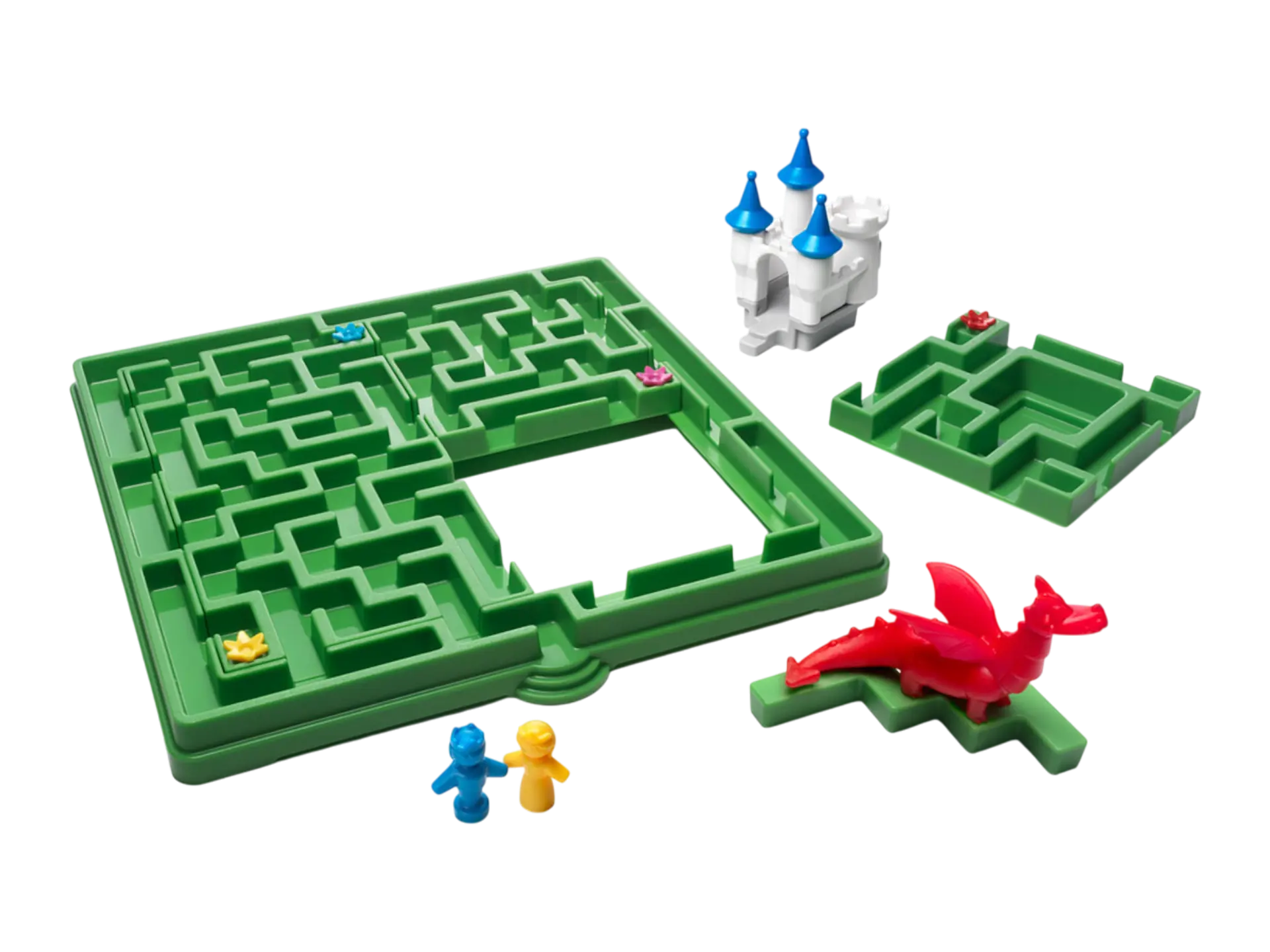
- Ages 6–8:
More complex logic, step-by-step challenges, story-based or adventure themes.
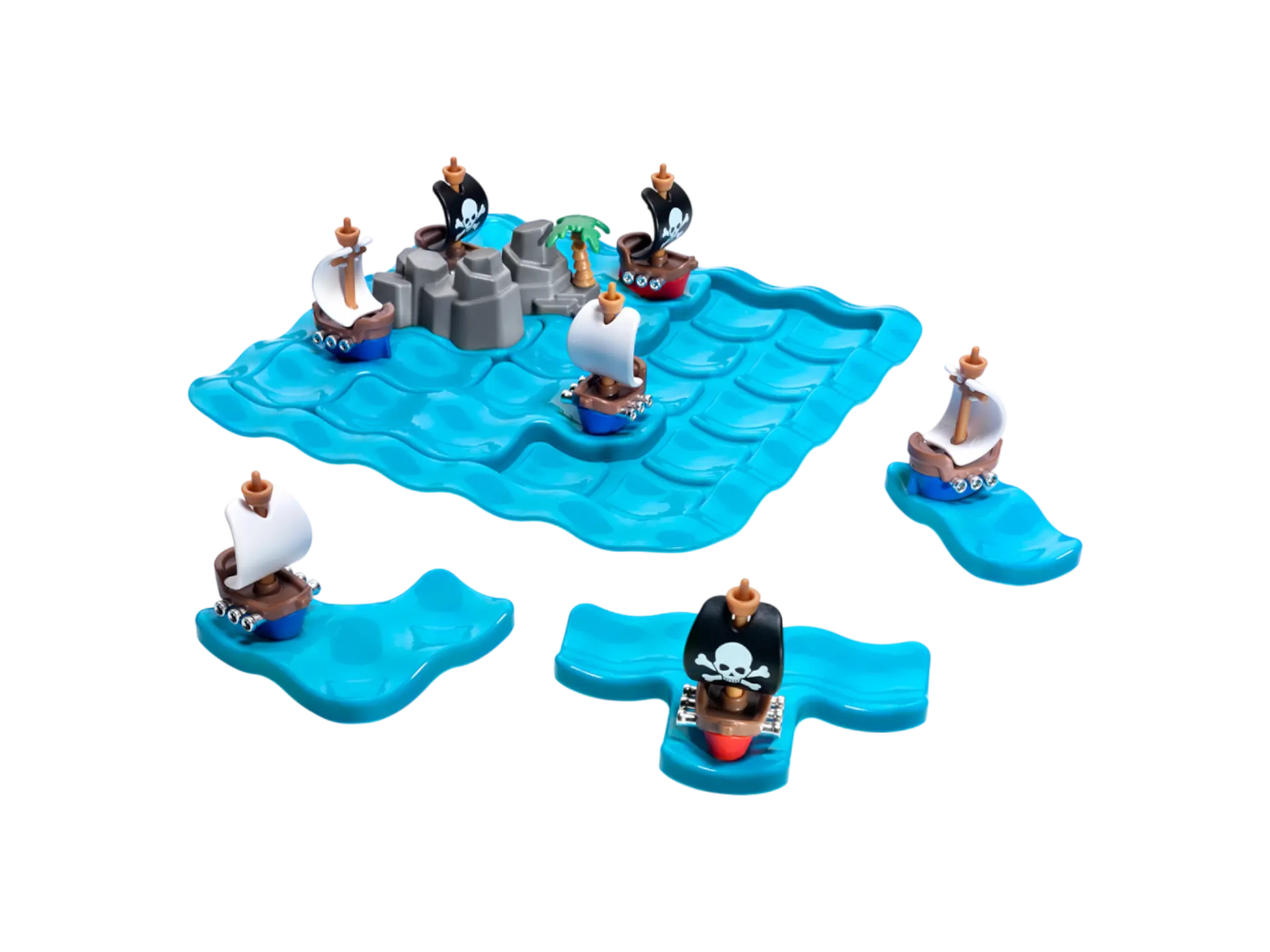
- Ages 9–11:
Deeper problem-solving, multi-step reasoning, higher difficulty levels.
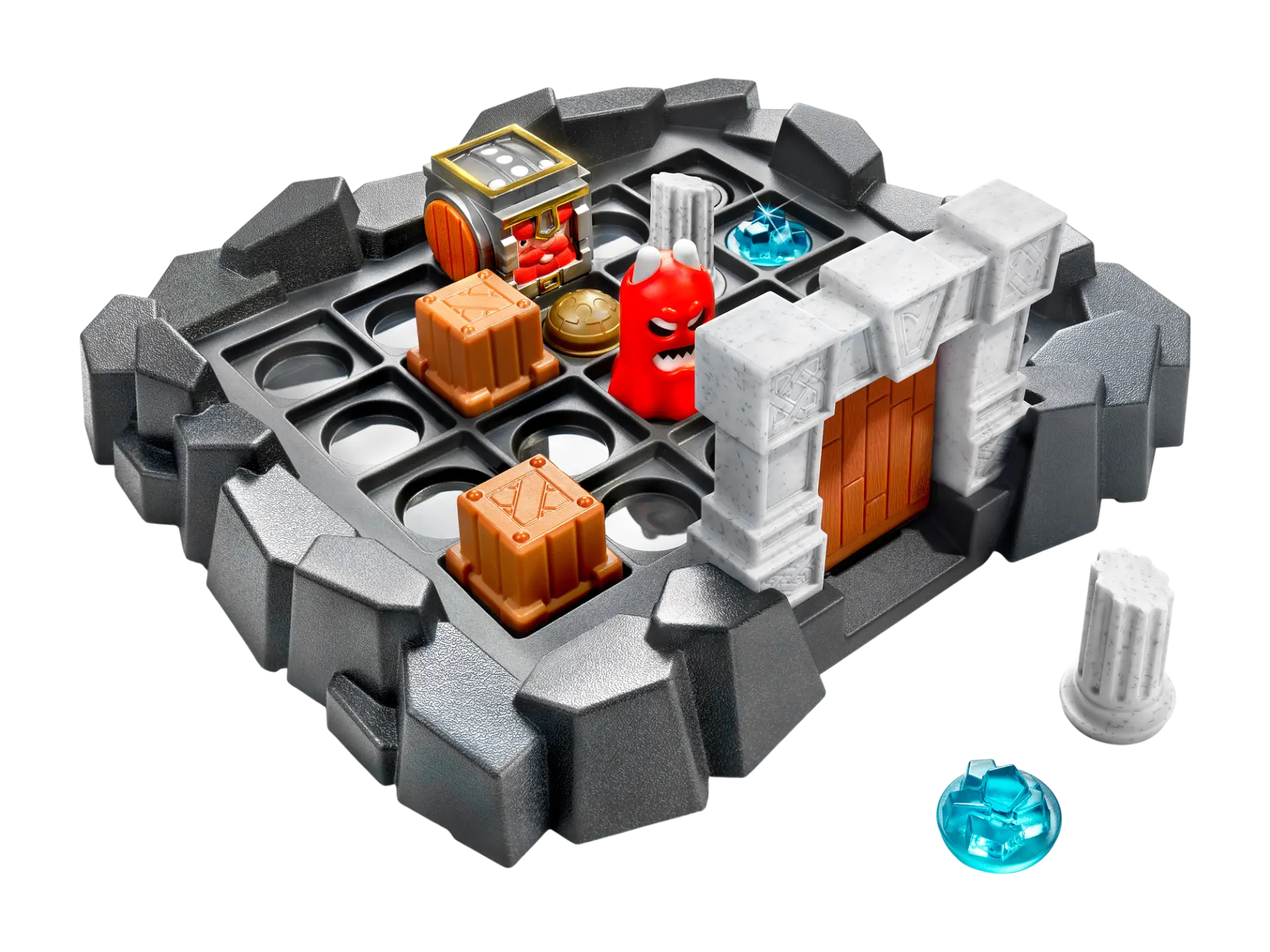
- Ages 12–14:
Advanced logic puzzles, brain teasers, and expert-level challenges that even adults enjoy.

Start at or slightly below your child’s age, especially if they’re new to logic games, then let them move up as their confidence grows.
b) By Interests
Children stay engaged when the theme matches what they love:
- Animals, fantasy, vehicles, or adventure
- Compact travel games vs. larger tabletop games
On LedKiam, you can filter by target age to quickly find games your child will actually want to play.
c) By Skill Focus
Many parents shop by the skills they want to support. Look for tags like:
- Problem-Solving
- Spatial Reasoning
- Focus & Concentration
- Planning & Strategy
This helps match the game to your child’s current needs and stage of development.
5. Simple Ways to Use Single-Player SmartGames in Your Routine
- Calm After-School Activity: A great way to transition from school to home without screens.
- Homework Break: A 10–15 minute puzzle can reset focus between subjects.
- Travel Essential: Keep a compact SmartGame in the car or bag for trips and waiting rooms.
- Family “Solo Challenge” Night: Everyone chooses a single-player game and tries a new challenge at their own level.
Conclusion: Make Solo Play Smarter with LedKiam
Single-player SmartGames turn independent play into powerful learning for children ages 3–14. They build problem-solving, focus, spatial reasoning, and confidence—without screens and without pressure.
Ready to find the perfect SmartGame for your child?
👉 [Shop Single-Player SmartGames at LedKiam (Ages 3–14)]
Coming soon on the LedKiam blog:
“How to Choose the Best Single-Player SmartGame for Your Child’s Age and Personality” and in-depth reviews of our most popular titles.